
Organize a basement store around dry conditions, manageable loads and a route to every shelf.
Assess the room before filling it
A basement can be useful storage only when the conditions suit the contents. Inspect for water entry, dampness and access limitations before installing a complete shelving system. A new rack does not correct a building moisture problem.
Mark the route from the stairs and the space needed to carry a loaded container. Preserve access to equipment, valves and inspection points. Storage that blocks a service area can create a problem even if the shelves themselves fit neatly.
Choose shelves for the load and environment
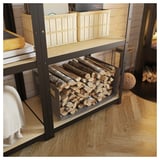
Compare metal, timber and closed storage by the actual application. The IKEA BROR image is a manufacturer shelving example. Confirm the selected model’s capacity, restraint and care instructions; do not transfer a rating to a different span or assembly.
Keep heavy objects in positions that can be handled steadily. Avoid overhead loads that require awkward lifting from a narrow stair or aisle. Include the weight of the contents when comparing containers, not only their empty dimensions.
Keep contents identifiable
Use small clear categories and labels facing the approach. Opaque boxes benefit from a brief contents list. Leave enough room to grasp handles and remove a box without moving the whole shelf.
A closed plastic container can protect some items from dirt, but it is not automatically suitable for damp conditions or a guarantee against water entry. Follow the container and contents’ instructions, and put belongings away clean and dry.
Plan inspection and rotation
Leave the storage accessible for cleaning and inspection. Keep a simple location list for occasional items and review it when the seasons change. Avoid a dense wall of boxes that hides the surrounding building surfaces.
Start with one working section and expand only after the retrieval route succeeds. Choose belongings that suit the room rather than treating the basement as a universal destination for everything without a place upstairs.