
Work around pipes and service access with removable storage, shallow trays and carefully planned clearances.
Draw the obstacles before choosing a basket
The space under a kitchen sink is rarely a plain rectangle. A trap, valves, supply pipes, disposal or filtration equipment can divide it into several small areas. Measure and sketch those obstacles from the cabinet opening. Include the space needed to operate valves and remove service parts.
Do not use a photograph of an empty cabinet as the final measurement. A hose can move when a tap is used, and a bin can catch a fitting when it slides out. Test the complete opening and closing movement before committing to an organizer.
Use removable zones around the plumbing
Small removable bins can group cleaning tools without making the whole cabinet difficult to access. A shallow tray near the front is often easier to retrieve than a tall basket squeezed behind a pipe. Leave a clear view of connections so an emerging leak is not hidden by a dense wall of products.
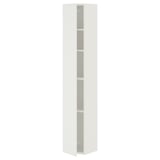
The ENHET cabinet image is a manufacturer example of enclosed storage, not a model-specific under-sink installation. Your sink cabinet must be planned around its own fittings. A shaped drawer or specialist pull-out needs a compatible cabinet and plumbing layout; cutting an ordinary drawer to fit can undermine its construction.
Separate storage from services
Keep products in their original labeled containers and follow their storage instructions. Do not combine incompatible cleaning products or transfer them to unmarked decorative bottles. If children can access the kitchen, choose an appropriate secured storage arrangement rather than relying on a door being out of sight.
Avoid fixing organizers where screws could contact hidden pipes, cables or a thin cabinet panel. Door-mounted baskets also need room inside when closed. Check the loaded depth against the trap and any shelf, and confirm that the hinges and door can accept the proposed arrangement.
Design for removal and cleaning
Use storage that can come out quickly when a plumber needs access. A removable protective tray may make cleaning easier, but it does not replace repairing a leak or protecting unfinished edges according to the cabinet maker’s instructions. Do not build a shelf over a connection that needs periodic inspection.
An inexpensive starting point is one small caddy for frequently used tools and a separate shallow group for spare supplies. Add a specialist mechanism only when its usable space improves the actual cabinet. Keep dimensions, service clearances and installation requirements together when comparing products.